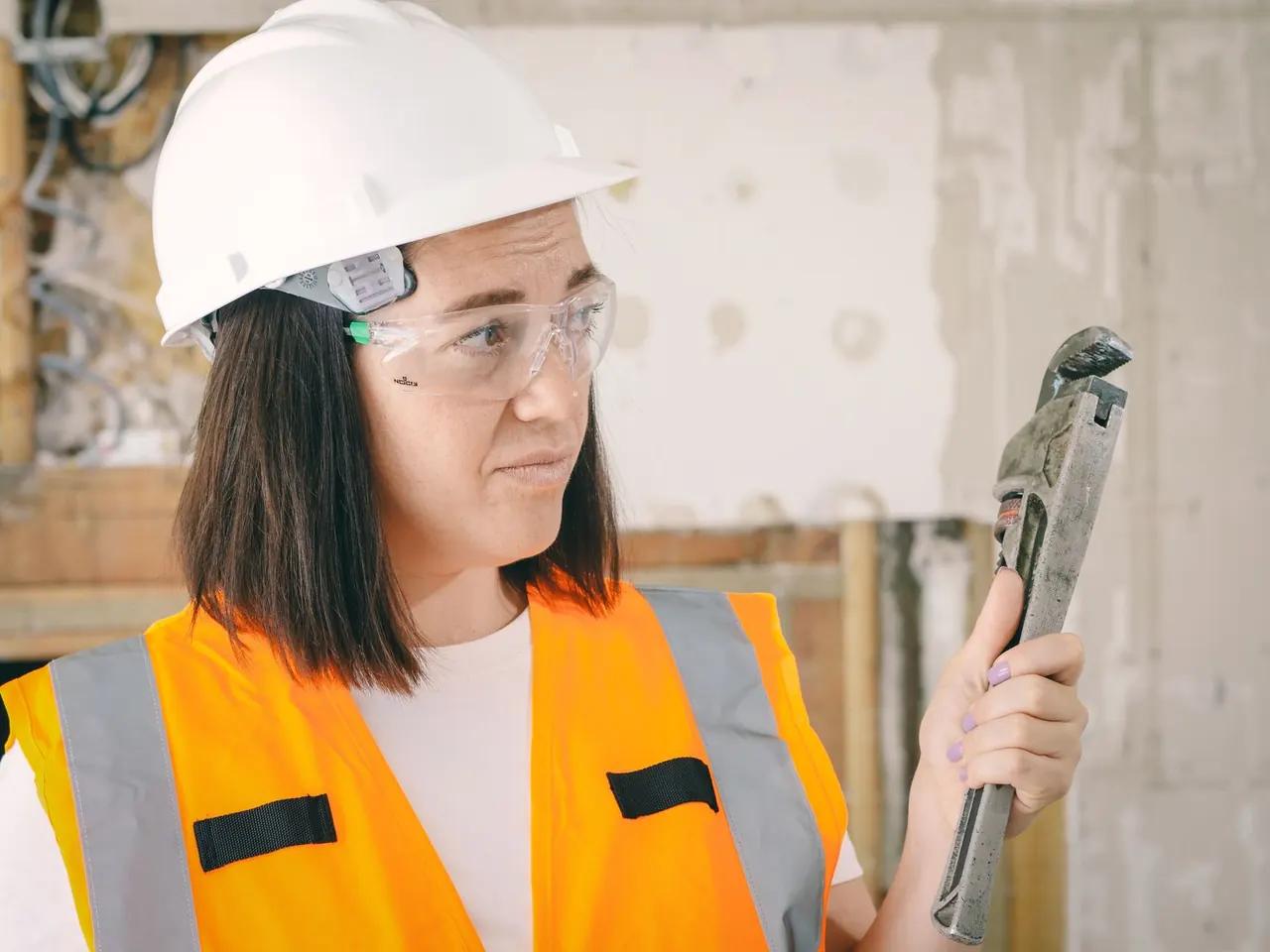
What causes low water pressure in your home?
Low water pressure can stem from various issues, from clogs to pipe damage. Learn how to identify and resolve these problems effectively.
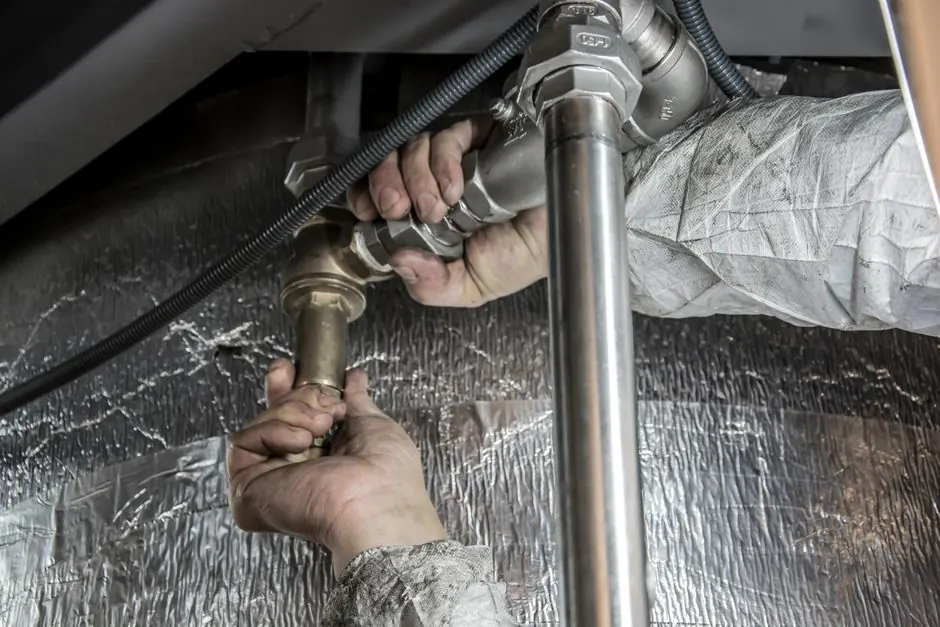
Low water pressure in your home can stem from several factors, including clogs, leaks, and corroded pipes. Understanding these causes is essential for ensuring a steady flow of water throughout your home.
Low water pressure is a plumbing issue that occurs when the flow of water through your pipes is reduced. This can lead to inadequate water supply for daily activities such as showering, washing dishes, and doing laundry.
What is low water pressure?
Low water pressure is a condition where the force of water coming from faucets, showers, and appliances is significantly less than normal. In Ogden, homeowners often notice this issue during peak usage times or when multiple fixtures are in use simultaneously.
What are the common causes of low water pressure?
Several factors can contribute to low water pressure in your home. Here are some of the most common:
- Clogged Pipes: Mineral deposits and debris can build up inside your pipes, restricting water flow.
- Leaky Pipes: Leaks can divert water away from your fixtures, leading to lower pressure.
- Corroded Pipes: Aging pipes may corrode and narrow, reducing water flow.
- Pressure Regulator Issues: A malfunctioning pressure regulator can cause inconsistent water pressure.
- Municipal Supply Issues: Sometimes, the problem originates from the water supply itself, especially during high demand.
How does pipe corrosion affect water pressure?
Pipe corrosion is a significant contributor to low water pressure, especially in older homes in Ogden. As pipes corrode, they become narrower, which restricts the flow of water. Regular inspections can help identify corrosion before it leads to severe problems.
Can water leaks cause low water pressure?
Yes, water leaks can significantly affect water pressure in your home. When there is a leak in your plumbing system, water escapes before reaching your fixtures, resulting in lower pressure. If you suspect a leak, consider scheduling water leak detection Ogden UT to identify and address the issue promptly.
How does the age of your plumbing affect pressure?
The age of your plumbing can have a profound impact on water pressure. Older systems often have outdated materials that can corrode or degrade over time. If your home was built several decades ago, it may be time to consider an upgrade to ensure optimal water pressure.
When to call a professional
If you have tried troubleshooting low water pressure without success, it may be time to call a professional. Issues like persistent leaks, severe pipe corrosion, or complex plumbing configurations require expert attention. At Top Shelf Plumbing Pros, we offer plumbing repair Ogden UT services tailored to your needs.
Frequently Asked Questions
1. What is considered low water pressure?
Low water pressure is generally considered to be below 40 psi (pounds per square inch). Normal residential water pressure typically ranges from 40 to 60 psi.
2. How can I check my home's water pressure?
You can check your home's water pressure using a pressure gauge that can be attached to a faucet or hose bib. This gauge will provide a reading of your water pressure in psi.
3. Can I fix low water pressure myself?
Some minor issues, like cleaning aerators or checking for leaks, can be addressed by homeowners. However, more significant problems may require professional assistance.
4. How much does it cost to fix low water pressure?
The cost to fix low water pressure varies widely based on the issue. Minor repairs may cost around $100, whereas more extensive repairs, like pipe replacement, can range from $1,000 to $5,000 in 2026.
5. Should I replace my old pipes?
If your plumbing system is over 50 years old, replacement may be necessary to maintain proper water pressure and prevent leaks.